
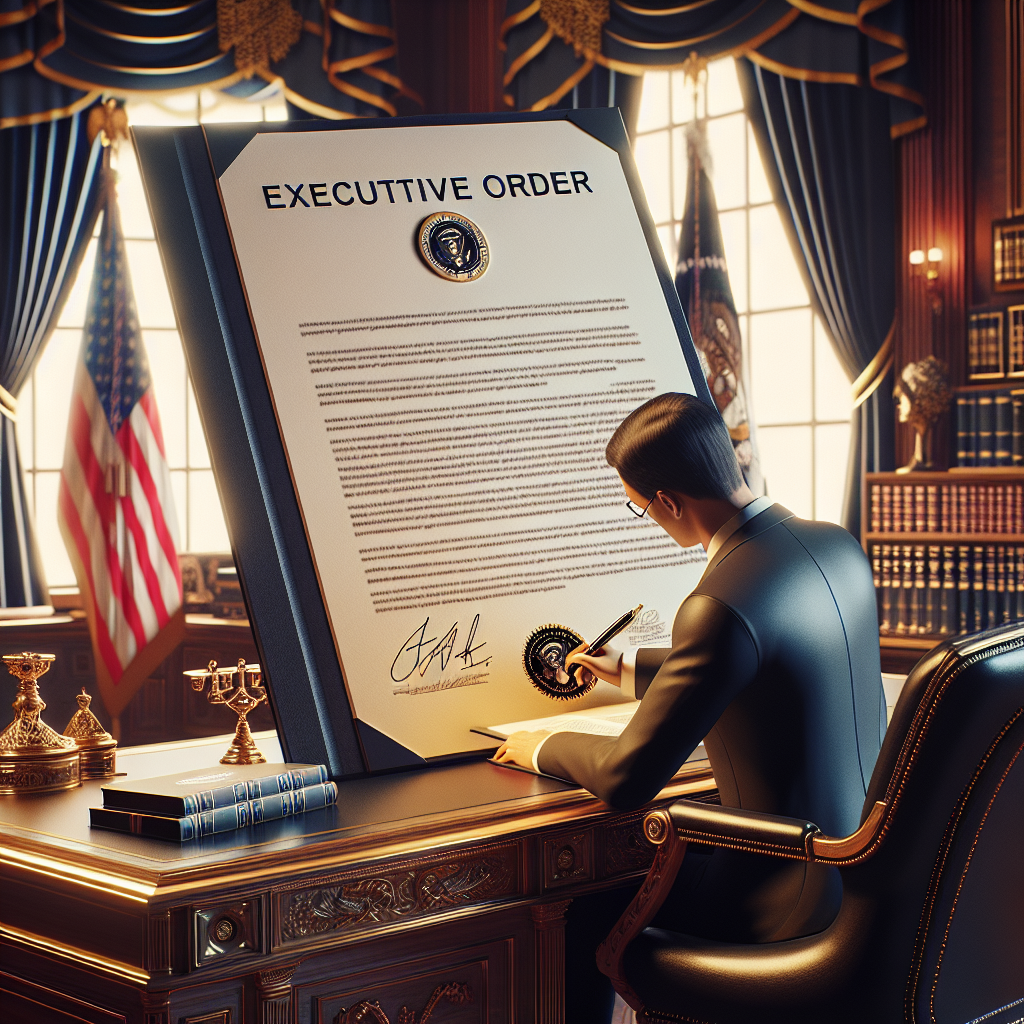
Trump Blocks State AI Regulations
In a move reminiscent of past federal interventions that reshaped American industry, the Trump administration has issued a sweeping executive order that blocks state-level attempts to regulate artificial intelligence. This bold assertion of federal authority not only disrupts state plans but may redefine the future landscape of AI oversight in the United States.
Federal Power Overshadows State Initiatives
The directive, titled the “Preemption of State and Local Artificial Intelligence Act,” effectively halts ongoing and proposed legislation across more than a dozen states seeking to implement their own AI regulations. Citing the threat of a fragmented patchwork of rules that could stifle innovation and economic growth, President Trump has positioned the federal government as the primary arbiter of AI policy. Supporters say this unified approach promises consistency for companies operating nationwide. Opponents, however, warn it may leave consumers vulnerable and strip states of their power to address local concerns.
Why Was This Executive Order Issued?
According to White House officials, a patchwork of state laws risked creating confusion and compliance headaches for businesses large and small. By invoking the Commerce Clause, the Trump administration argues that only federal standards can ensure America remains competitive on the global stage. The order makes clear that:
- All future AI regulation must be enacted at the federal level
- Existing state-level AI laws are rendered null and void
- Federal agencies have 90 days to propose nationwide AI rules encompassing safety, transparency, and data privacy
Reactions From States and Industry
Reactions to Trump blocking state AI regulations have been swift and deeply divided. Tech giants like Google and Microsoft have largely welcomed the move, arguing that a standardized set of rules eliminates costly redundancies. State officials, however, see it as an affront to their authority. California Governor Gavin Newsom called the order “an overreach that strips states of their right to protect residents from emerging technology risks.” Several state attorneys general are already exploring the possibility of legal challenges.
Implications for Consumers and Businesses
This executive order stands to reshape the balance between innovation and consumer protections. Centralized standards could:
- Speed up AI deployment by streamlining regulations
- Reduce compliance burdens for national corporations
- Hinder state-specific solutions designed for unique local challenges
Critics worry that centralized oversight may be slow to respond to region-specific risks, while advocates see an opportunity for America to develop a world-class, unified approach to AI.
The Road Ahead
As federal agencies scramble to draft the nation’s first comprehensive AI regulations, all eyes remain on the evolving battle between state and federal authority. With legal challenges looming and the stakes rising, the future of AI oversight in the US hangs in the balance. For a deeper dive into the administration’s policy outlook, see the original coverage by the Associated Press on Trump’s executive order on state AI regulations.
Whether this move safeguards American competitiveness or undermines local democracy, one thing is certain: the story of federal versus state power is being rewritten for the AI era.