
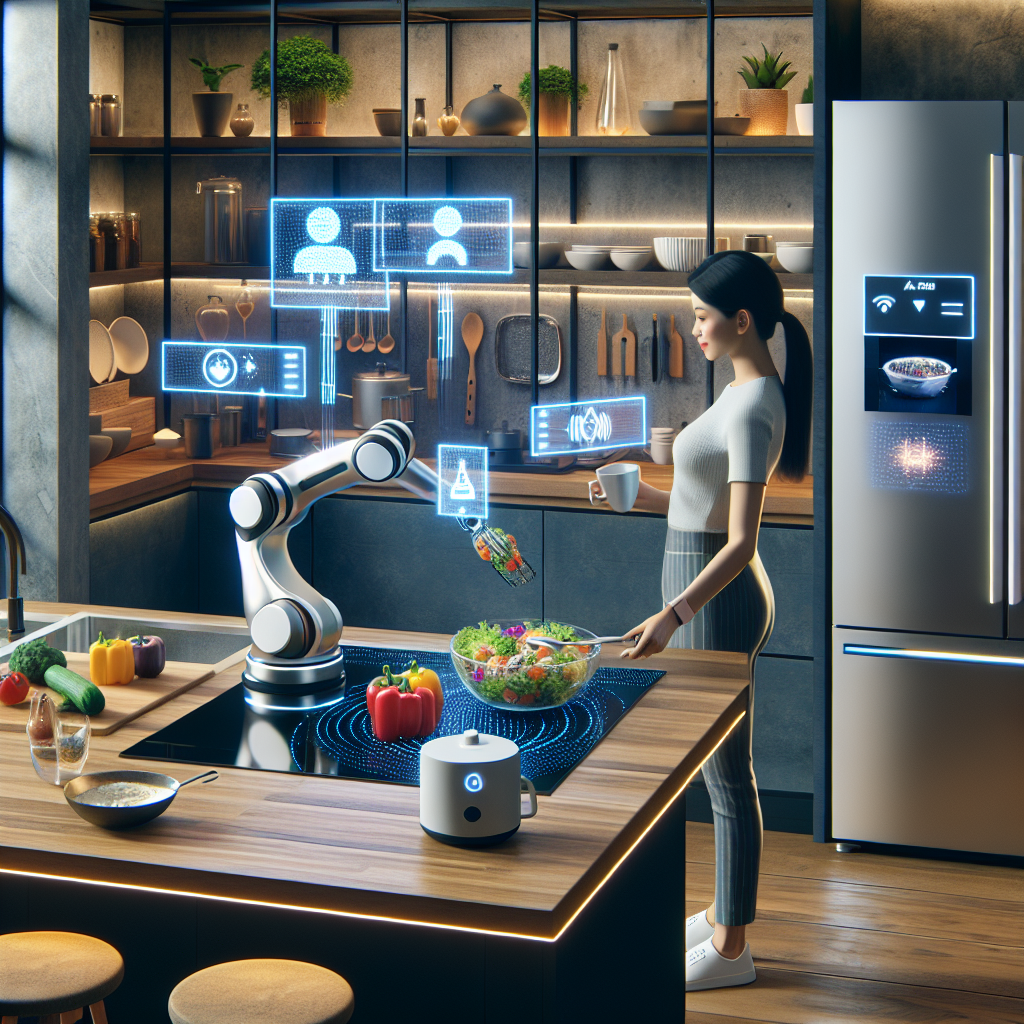
Smart Kitchens Revolutionized by AI Technology
In 1962, viewers watched in awe as “The Jetsons” introduced Rosie the Robot, a mechanical maid who could cook dinner, clean the kitchen, and anticipate her owner’s needs. While Rosie was once considered a far-fetched fantasy, today’s smart kitchens, empowered by AI technology, are turning those futuristic dreams into everyday realities. Smart kitchens revolutionized by AI technology are no longer just a concept—they’re transforming the way we cook, eat, and live.
The Rise of Smart Cooking Assistants
AI-driven appliances are the new sous chefs in modern households. Equipped with voice recognition, machine learning, and advanced sensors, these systems help users prepare meals with minimal effort. From AI-powered ovens that recognize dish types to refrigerators that track expiration dates, smart kitchens are optimizing efficiency and reducing waste.
Key Features of AI in Smart Kitchens
AI technology brings a host of groundbreaking features that elevate cooking experiences. Here are some highlights:
- Personalized Meal Planning: AI can learn dietary preferences and restrictions to suggest tailored recipes.
- Hands-Free Operation: Voice-controlled devices allow users to follow recipes, set timers, and adjust settings without touching a thing.
- Waste Reduction: Smart fridges monitor inventory and expiration dates, helping users optimize grocery use.
- Precision Cooking: AI algorithms ensure that food is cooked to perfection by controlling temperature and timing automatically.
Benefits of AI Integration in the Kitchen
The integration of AI into kitchens is more than a technological gimmick—it’s a practical upgrade for everyday life. With smart kitchens revolutionized by AI technology, households benefit from:
- Time Savings: Automated prep and smart scheduling mean quicker meals with less effort.
- Enhanced Safety: Sensors detect gas leaks, prevent overcooking, and even shut off appliances if left unattended.
- Healthier Living: Nutrition-focused AI can recommend healthier alternatives and calculate calorie intake in real time.
Real-World Examples of AI in Action
Industry leaders like Samsung and LG have introduced AI-powered kitchen suites that adjust to user behavior and lifestyle patterns. For example, the Samsung Family Hub uses AI to track food items, display recipes, and even stream video while you cook. Meanwhile, apps like SideChef and Innit use AI to suggest meals based on your pantry inventory and diet goals.
The Road Ahead for AI in Kitchens
As AI continues to advance, we can expect smart kitchens to become even more intuitive and autonomous. Future developments may include robotic arms capable of chopping vegetables or self-cleaning surfaces powered by nanotechnology. The ongoing evolution suggests a future where cooking becomes a collaborative journey between human creativity and machine precision.
Conclusion
What was once science fiction is now kitchen fact. With smart kitchens revolutionized by AI technology, homeowners are enjoying safer, more efficient, and personalized cooking experiences. Whether you’re a seasoned chef or a beginner, AI brings powerful tools to your fingertips—redefining how we interact with the heart of the home.
To learn more about cutting-edge kitchen innovations, visit this guide to the best smart kitchen appliances.