AI Music Revolution Reshaping Composing
When a computer algorithm composed “Symphon-AI No.1” and it debuted with a live orchestra in Vienna to a standing ovation, jaws dropped around the world. What was once the exclusive domain of human genius—music composition—was now being shared with machines. The AI music revolution reshaping composing is no longer a futuristic fantasy; it’s unfolding right before our ears and eyes.
From Algorithms to Artistry
While musicians have long used digital tools—from synthesizers to autotune—the leap to generating entire compositions through artificial intelligence marks a watershed moment. Tools like OpenAI’s MuseNet and Google’s Magenta can now create original music in styles ranging from classical to jazz.
The underlying technology involves machine learning algorithms trained on thousands of compositions. These systems identify patterns in melody, harmony, rhythm, and structure, then generate new music based on what they’ve learned. The results? Sometimes indistinguishable from human-composed pieces.
AI’s Growing Role in Modern Music
The creative process is no longer limited to human hands alone. Today’s indie artists, major film studios, and game developers are tapping into AI tools to streamline workflows and enhance creativity. The impact of AI music revolution reshaping composing includes:
- Faster production: AI can generate multiple compositions in seconds, allowing for rapid prototyping and iteration.
- Elevated creativity: AI expands the range of possibilities, offering musical ideas that composers might not have considered.
- Democratization of music: Aspiring musicians with minimal formal training can create professional-grade compositions using AI tools.
Can AI Replace Human Composers?
This question sits at the heart of the conversation: can something designed to mimic truly innovate? While AI can master repetition, mimicry, and even emotional tone to some extent, it lacks lived experience, intention, and cultural context.
Human composers draw from personal stories, social climates, and spiritual insights. Beethoven wrote his Ninth Symphony while deaf. Nina Simone channeled civil rights tensions into her performances. AI, in contrast, lacks consciousness and empathy.
Therefore, while AI can certainly support and augment the compositional process, replacing human composers entirely still seems far off—at least for now.
The Future of Collaboration
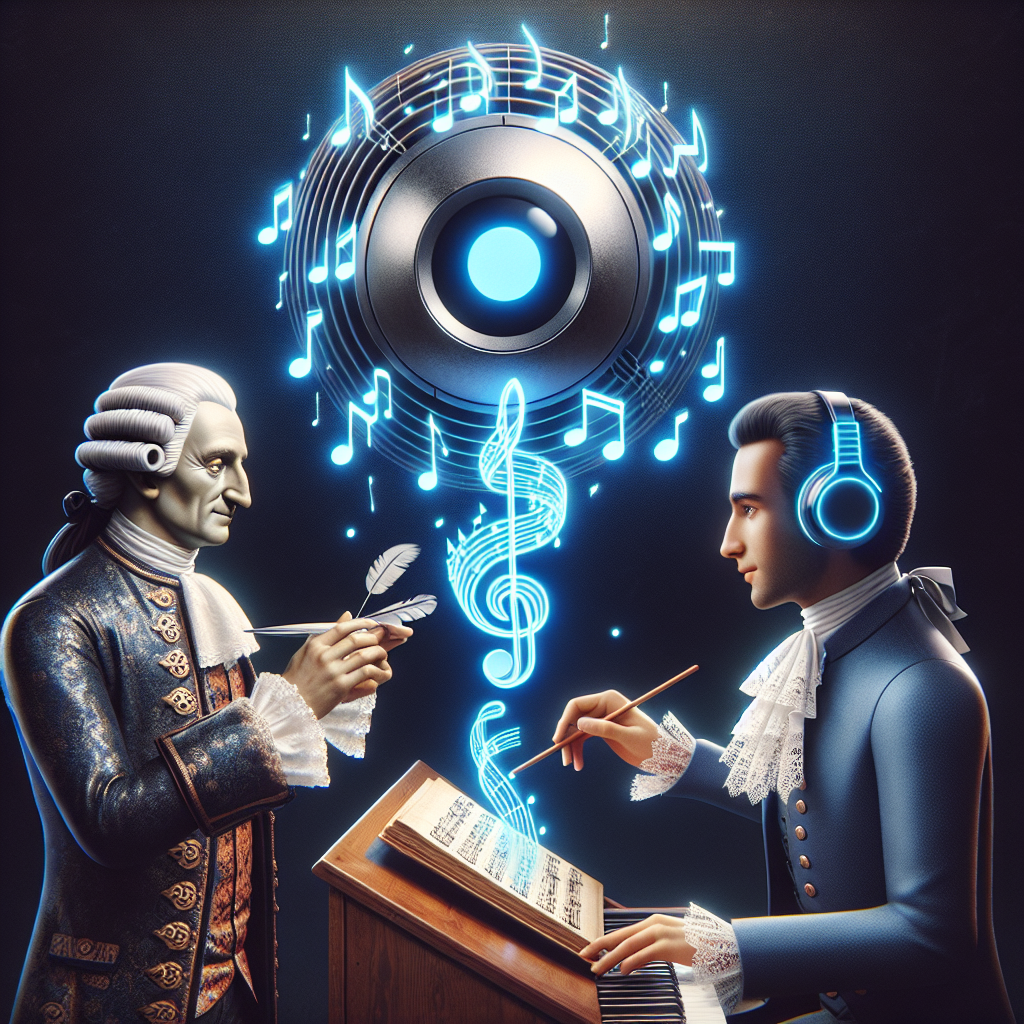
Instead of replacing composers, AI is more likely to become an indispensable collaborator. Much like a conductor leads an orchestra or a producer guides a recording session, AI could evolve into a partner that enhances human creativity rather than replacing it.
Early signs of this are emerging in hybrid projects. Grammy-nominated artist Taryn Southern co-produced an entire album using AI-generated instrumentals. Hans Zimmer, known for scoring blockbusters like Inception and Interstellar, has praised AI tools for brainstorming new sonic ideas.
Conclusion
The AI music revolution reshaping composing is not about machines taking over creativity—it’s about expanding the toolkit available to musicians of all levels. As with any technological revolution, the true value lies in how humans choose to adopt and adapt it.
For ongoing developments and insights into AI and music technology, explore Google Magenta’s official site.