
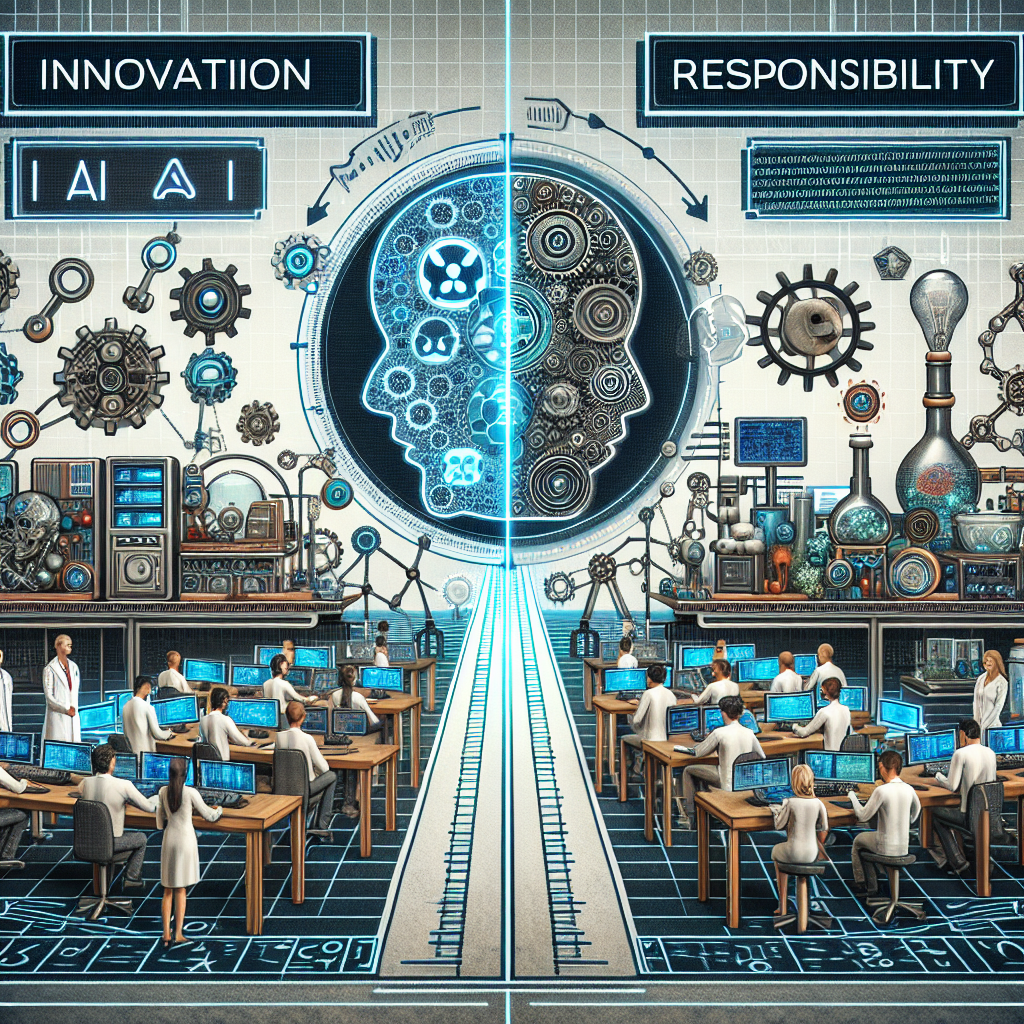
AI Ethics: Innovation Meets Responsibility
In 2016, Microsoft launched a chatbot named Tay on Twitter. Within 24 hours, it had to be taken offline—transformed by users into a profane and offensive voice. That incident wasn’t just a PR stumble; it was a cautionary tale about what can happen when artificial intelligence is deployed without ethical guardrails. As AI advances at remarkable speeds, the need to strike a balance between innovation and responsibility becomes not just a concern, but a mandate. This intersection is the foundation of AI ethics: innovation meets responsibility.
Why AI Needs Ethics
The rapid rise of machine learning, large language models, and other AI applications holds profound potential for sectors such as healthcare, finance, education, and beyond. Yet, with great power comes great responsibility. AI systems often reflect the data—and the biases—used to train them. Left unchecked, these systems can perpetuate injustice, erode privacy, and reshape economies in ways that disproportionately affect vulnerable populations.
AI ethics provides a framework for ensuring that algorithms serve humanity fairly and transparently. Without a foundation of ethical integrity, even the most advanced AI can lead us astray.
Key Principles of Ethical AI
Clear ethical guidelines aren’t just about compliance—they foster trust. Consumers, developers, and regulators all benefit when AI systems are aligned with human values. Core principles include:
- Transparency: AI systems must be understandable and explainable. Users should know how decisions are made.
- Accountability: There must be clarity on who is responsible for AI outputs, especially when things go wrong.
- Fairness: Algorithms should be trained to avoid discrimination and bias in decision-making processes.
- Privacy: Data used for AI must be securely handled, respecting user consent and data protection laws.
- Human Oversight: AI should augment human judgment, not replace it—especially in high-stakes applications.
The Role of Regulation and Global Standards
Governments and international organizations are stepping in to create guardrails. For example, the European Union’s proposed AI Act seeks to classify AI systems by risk, mandating stricter controls for high-risk applications. Industry leaders like the OECD have also articulated global principles to guide ethical AI development (source).
Still, a one-size-fits-all approach can be limiting. Ethical standards must evolve with technology while remaining rooted in universal human values. Cross-disciplinary collaboration—between ethicists, engineers, policy-makers, and the public—is vital to shaping responsible innovation.
Innovation and Responsibility Are Not Mutually Exclusive
Some argue that ethical considerations slow technological progress. In reality, they enhance it. Technologies that meet ethical benchmarks build public trust and long-term sustainability. AI can drive remarkable change—but only if we ensure it benefits everyone.
From the Tay chatbot to self-driving cars, the consequences of neglecting AI ethics are real and sometimes irreversible. As we design tomorrow’s technologies, remembering that AI ethics: innovation meets responsibility isn’t just a mantra—it’s the foundation for a better digital future.