
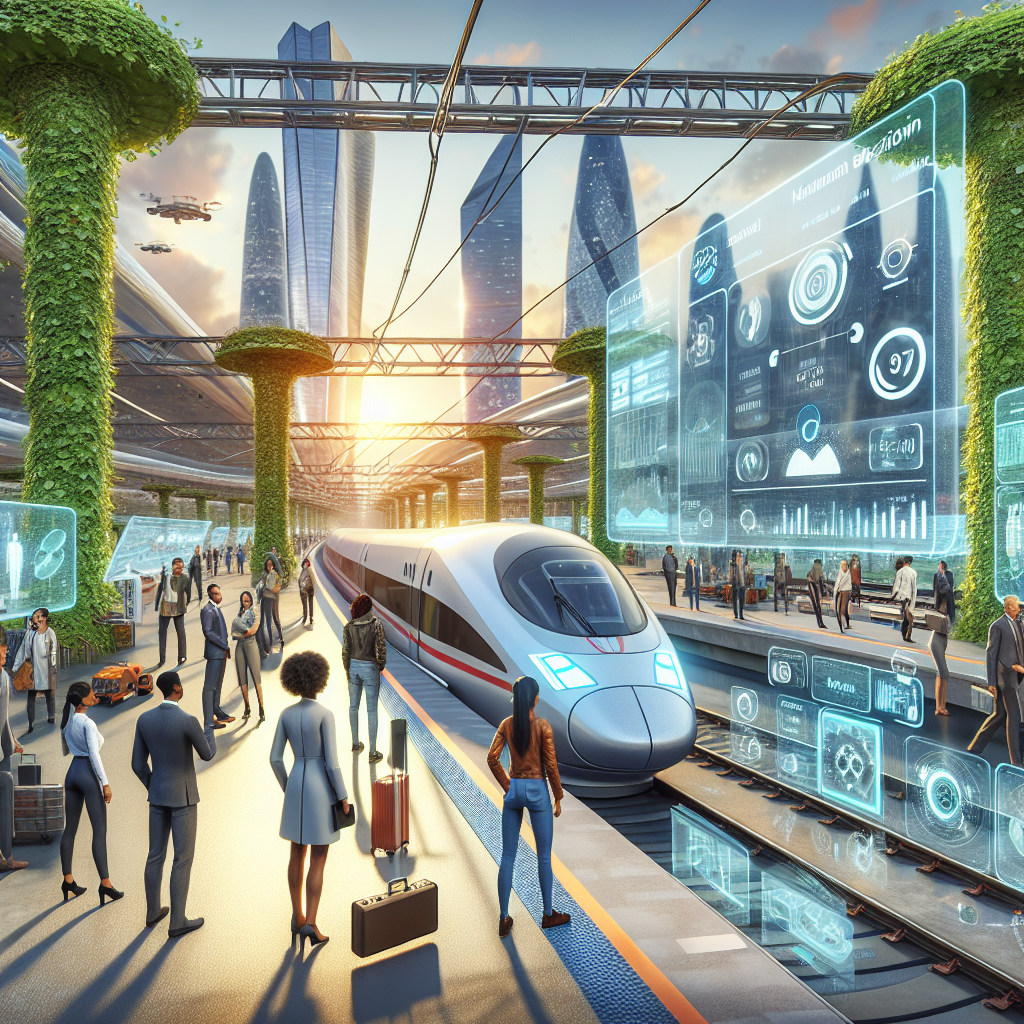
AI Revolutionizes UK Rail Industry
On a chilly December morning in 2018, an unexpected signal failure threw London’s overground rail network into chaos, forcing thousands of commuters to shuffle to bus stops or hunt for taxis. Fast forward just a few years, and such disruptive surprises are increasingly rare. Thanks to the surge in AI revolutionizing the UK rail industry, the sector now detects and addresses challenges before passengers even notice a ripple.
Beyond Predictive Maintenance: The Modern AI Upgrade
While early headlines heralded AI for its power in predictive maintenance—spotting worn parts before breakdowns—today’s transformative applications stretch far beyond. In the UK, rail operators are now leveraging artificial intelligence to:
- Optimize network schedules by forecasting passenger flows down to the hour, adjusting train services in real time to meet demand.
- Enhance safety and security with deep learning algorithms that monitor CCTV feeds, identifying hazards or suspicious activities faster than any human could.
- Improve energy efficiency by analyzing power usage data and adjusting acceleration and braking patterns for trains automatically.
Real-World AI Successes on UK Rails
The impact of AI revolutionizing the UK rail industry is clear in collaborative projects like those between Network Rail and tech startups. For example, cameras mounted on trains and tracks capture thousands of images per day, with AI rapidly identifying developing track faults or overgrown vegetation that traditional inspections might miss. By automating this analysis, rail engineers can zero in on high-risk areas, reducing delays and boosting passenger safety.
Even staffing strategies benefit from AI-driven models. During recent seasons of unpredictable weather, AI-powered risk assessments enabled the UK’s busiest stations to allocate platform staff where needed most—keeping lines moving and minimizing crowding.
Challenges and Opportunities: Navigating the AI Transition
Despite breakthroughs, the journey isn’t without its hurdles. Data quality and privacy concerns demand strict regulatory oversight; meanwhile, integrating legacy systems with cutting-edge technology can overwhelm even the largest operators. Nevertheless, industry leaders believe the benefits far outweigh these obstacles.
As AI solutions get smarter and costs fall, more regional networks are adopting intelligent monitoring, ticketing, and customer service bots. The result? A railway that reacts in real time, personalizes journeys, and supports a greener public transport ecosystem for the UK’s net-zero ambitions.
The Road Ahead: What to Expect Next
Developers and rail specialists predict even more ambitious milestones on the horizon. Imagine:
- Fully autonomous trains quietly weaving through Britain’s complex rail corridors.
- Integrated journey planners that coordinate not just rail, but buses, bikes, and taxis using AI-powered recommendations.
- Advanced AI algorithms forecasting infrastructure stress from climate change years in advance, guiding targeted investment.
The transformation is ongoing, but one fact is clear: AI revolutionizes UK rail industry every day, quietly rewriting the script for how millions travel, work, and connect.
For further insight into the evolving partnership between rail and artificial intelligence, visit Artificial Intelligence News.